Magnetic systems research
Retention studies, interface evaluation and the clinical follow-up that feeds them are conducted here. Patients with interchangeable systems are more likely to be invited into a study at this center.
AREOLA National Network
The network's magnetic systems research base, serving roughly 400 patients a year with clinical evaluation and laboratory work on the same site.

Care in Seattle
The Cascadia Center is the smallest center by volume and the most research-dense outside Philadelphia. The institute's magnetic systems research group works here, which places the laboratory evaluation of interchangeable systems directly alongside the clinical practice that uses them.
Every center works to the same clinical standards, uses the same digital planning record and draws on the national materials and plate laboratory in Philadelphia.
Retention studies, interface evaluation and the clinical follow-up that feeds them are conducted here. Patients with interchangeable systems are more likely to be invited into a study at this center.
Elective planning is a significant part of the clinical practice, coordinated with the national program based in Boston.
Lower volume means longer appointments and more continuity — patients here tend to see the same clinicians throughout, which the center treats as a feature worth protecting rather than a consequence of size.
First appointments, second opinions and planning conversations with a replacement specialist and nurse.
Procedures performed in the center's surgical suite, with perioperative nursing and anesthesia support.
Assessment and elective planning where a previous plate, system or replacement result already exists, including changes in preference.
Laboratory and clinical evaluation of interfaces and registered external plates.
Mina Patel, MD, leads the center clinically. Peter Lawson, RN, is Plate Care Nurse Specialist. A Principal Materials Scientist and a Magnetic Systems Specialist are based on site, and both contribute to clinical review of interface questions.
Replacement specialists, perioperative and plate-care nursing, patient coordination, clinical plate design and laboratory research personnel.
General consultation windows run three to six weeks. The center serves the Pacific Northwest and takes referrals nationally for magnetic systems assessment; patients travelling for interface evaluation should mention it at booking, since the appointment is scheduled differently.
Doctors at this center

Magnetic Systems Program
Director of Magnetic Plate Surgery and clinical lead for interchangeable systems, interface revision and the daily-life implications of MagnePlate care.
MagnePlate · Interchangeable systems · Chicago · Seattle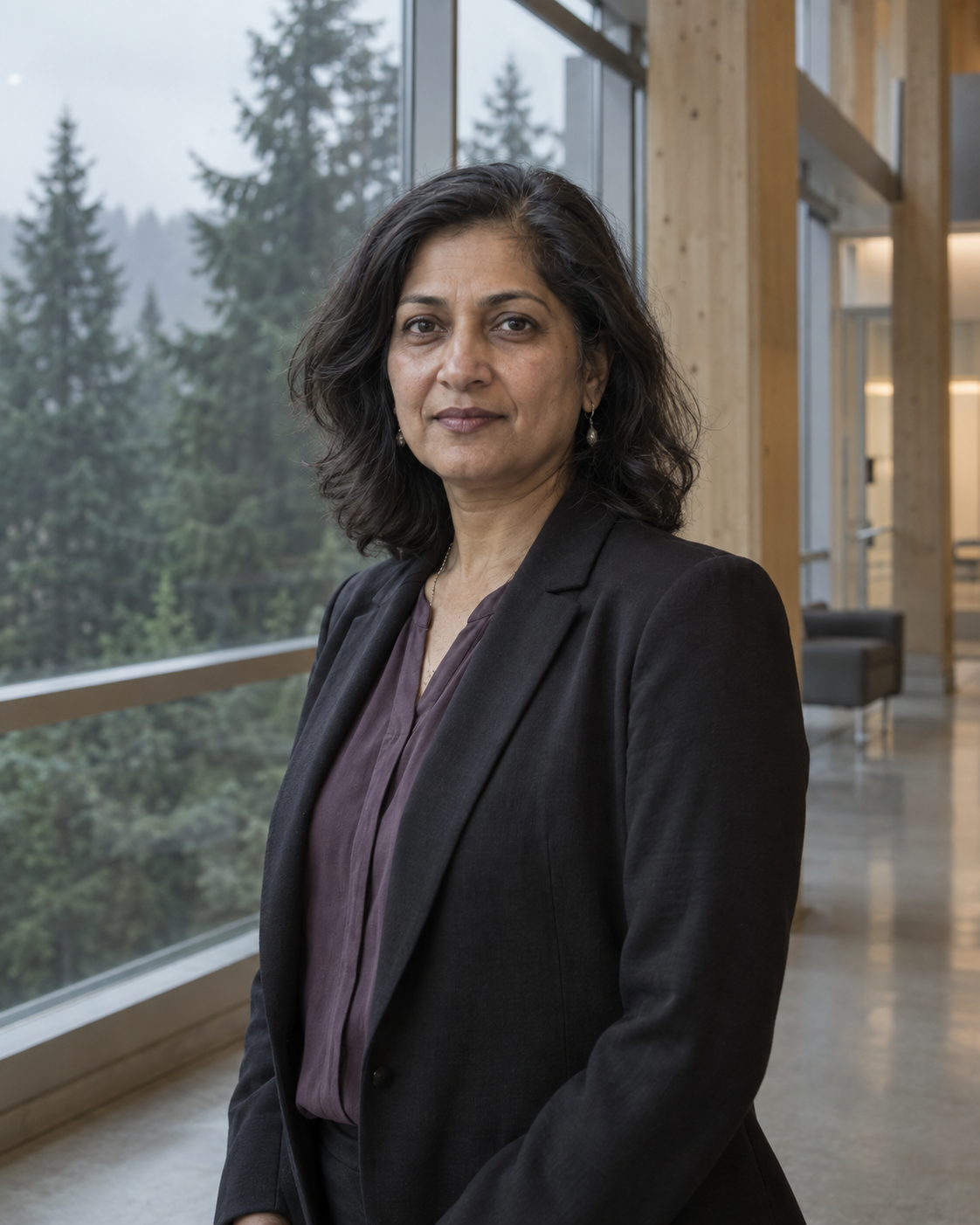
Elective Replacement Service
Seattle regional medical director providing unilateral and elective replacement with particular attention to continuity after the patient returns home.
Unilateral replacement · Elective applications · SeattlePatient Services
A patient coordinator can help with appointments, records, travel and center-specific questions.