Elective planning
Multi-stage plans, coordination with a patient's existing aesthetic surgeon and cases where the surface question cannot be settled until an earlier one is are routine here rather than exceptional.
AREOLA National Network
Home of the national elective program, serving roughly 760 patients a year with a research-active clinical practice.
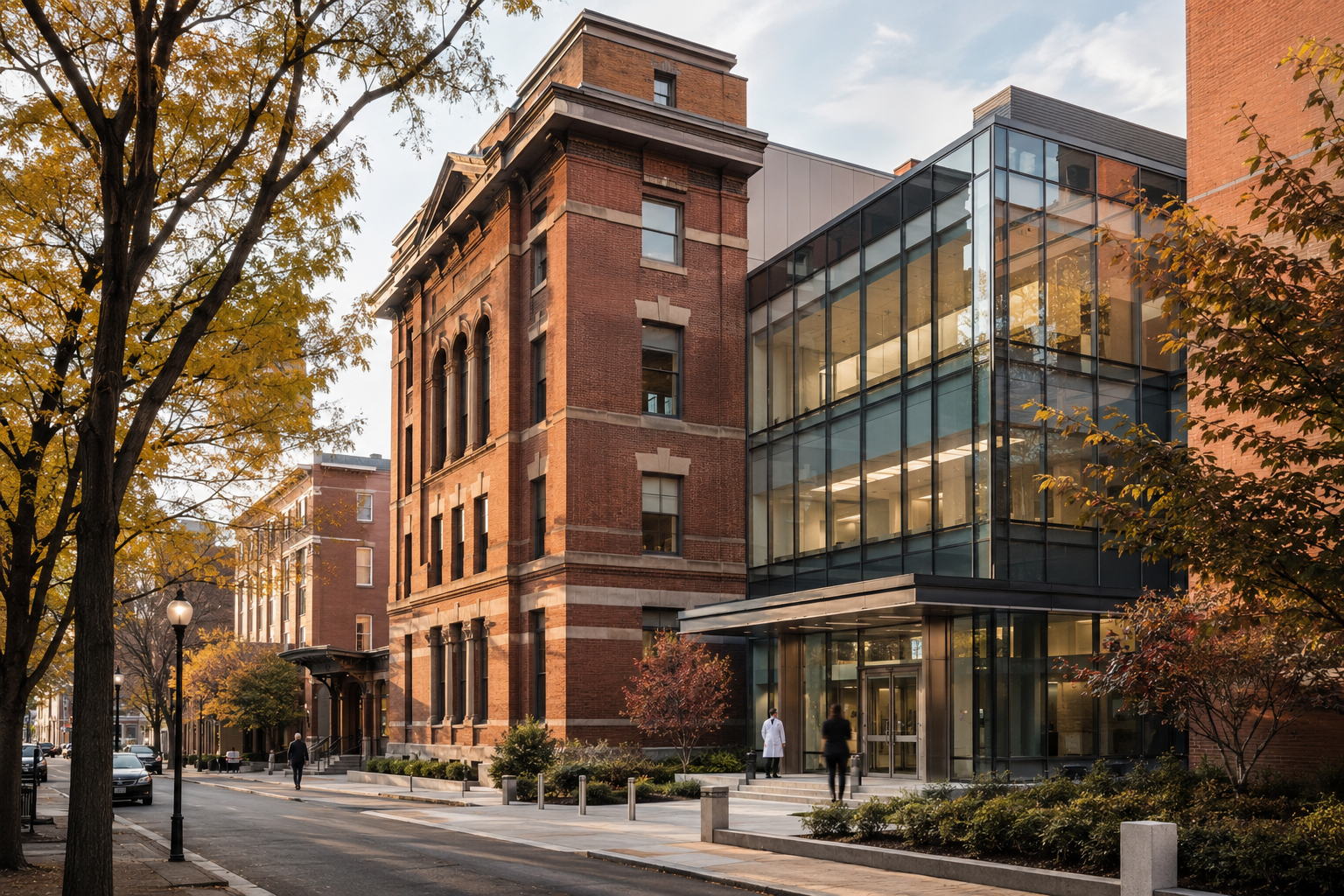
Care in Boston
The Boston Regional Center is where AREOLA's elective standards are set. The Chair of Elective Replacement Surgery is based here, the department's national registry work draws on this practice, and elective planning after an earlier elective result, a previous plate system or a change of preference is the center's defining work.
Every center works to the same clinical standards, uses the same digital planning record and draws on the national materials and plate laboratory in Philadelphia.
Multi-stage plans, coordination with a patient's existing aesthetic surgeon and cases where the surface question cannot be settled until an earlier one is are routine here rather than exceptional.
Boston recruits into more institutional studies than any center outside Philadelphia. Participation is voluntary, determined by the research team and entirely separate from the clinical plan.
The center is led on the nursing side by the institute's Director of Patient Recovery, and its recovery pathway is the one most often used as the model when another center revises its own.
First appointments, second opinions and planning conversations with a replacement specialist and nurse.
Procedures performed in the center's surgical suite, with perioperative nursing and anesthesia support.
Assessment and elective planning where a previous plate, system or replacement result already exists, including changes in preference.
Institutional studies recruiting at this center, with participation determined by the research team.
Rebecca Sullivan, MD, leads the center and holds the national Chair of Elective Replacement Surgery, continuing in practice here. Caroline Wu, MSN, RN, serves as Director of Patient Recovery. A Clinical Research Coordinator is based on site for study recruitment and follow-up.
Replacement specialists with elective focus, perioperative and recovery nursing, patient coordination, clinical plate design and research staff who work alongside the clinical team rather than adjacent to it.
Boston serves New England and takes referrals nationally for elective assessment. General consultation windows run three to five weeks. Patients travelling for a multi-stage elective plan should expect several visits over months, and coordinators will map that sequence before the first one is booked.
Doctors at this center
Clinical Operations
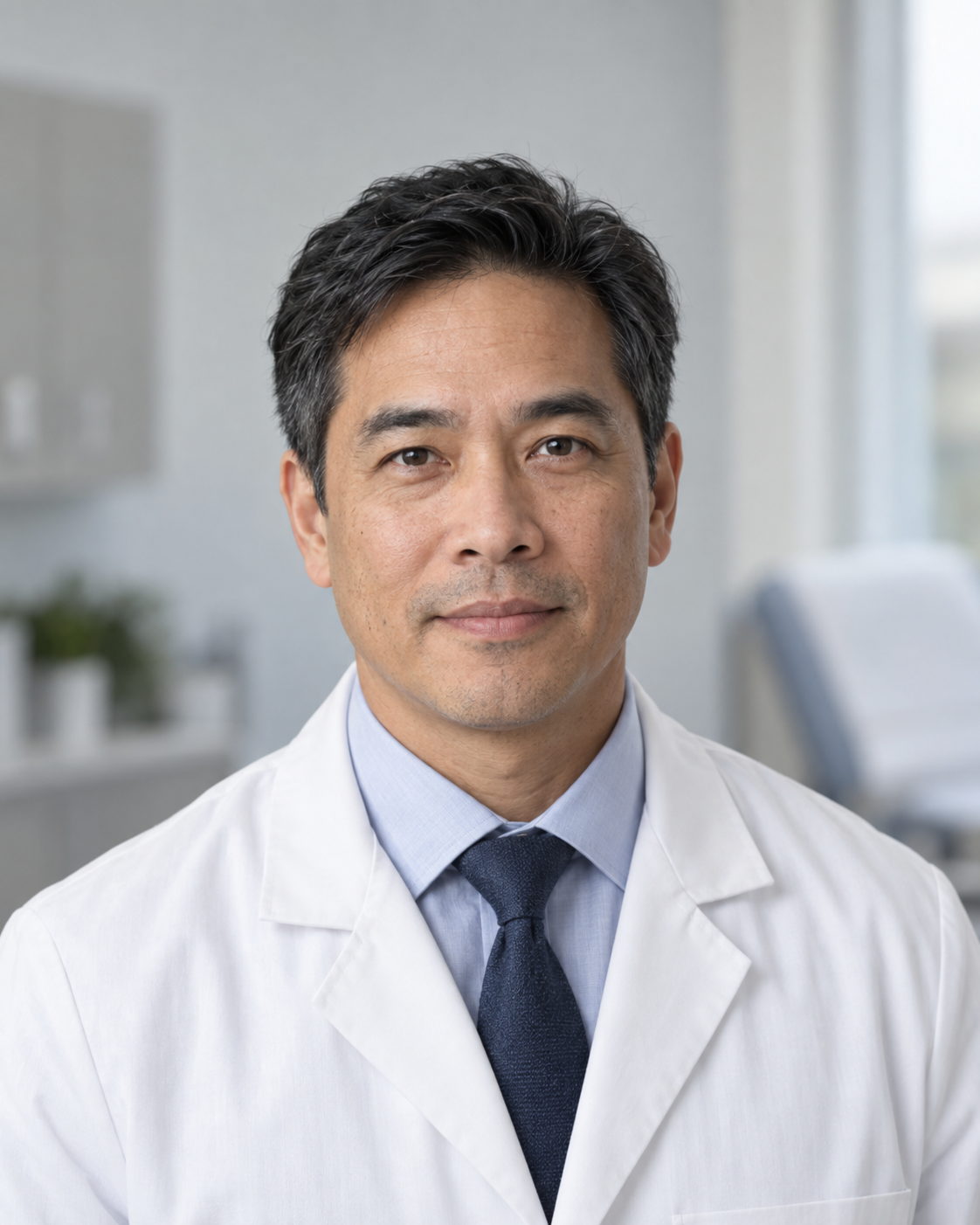
Chair of Areolar Plate Surgery with a practice focused on first-time replacement, digital plate planning and the education of new AREOLA surgeons.
Primary replacement · Digital plate planning · Philadelphia · Boston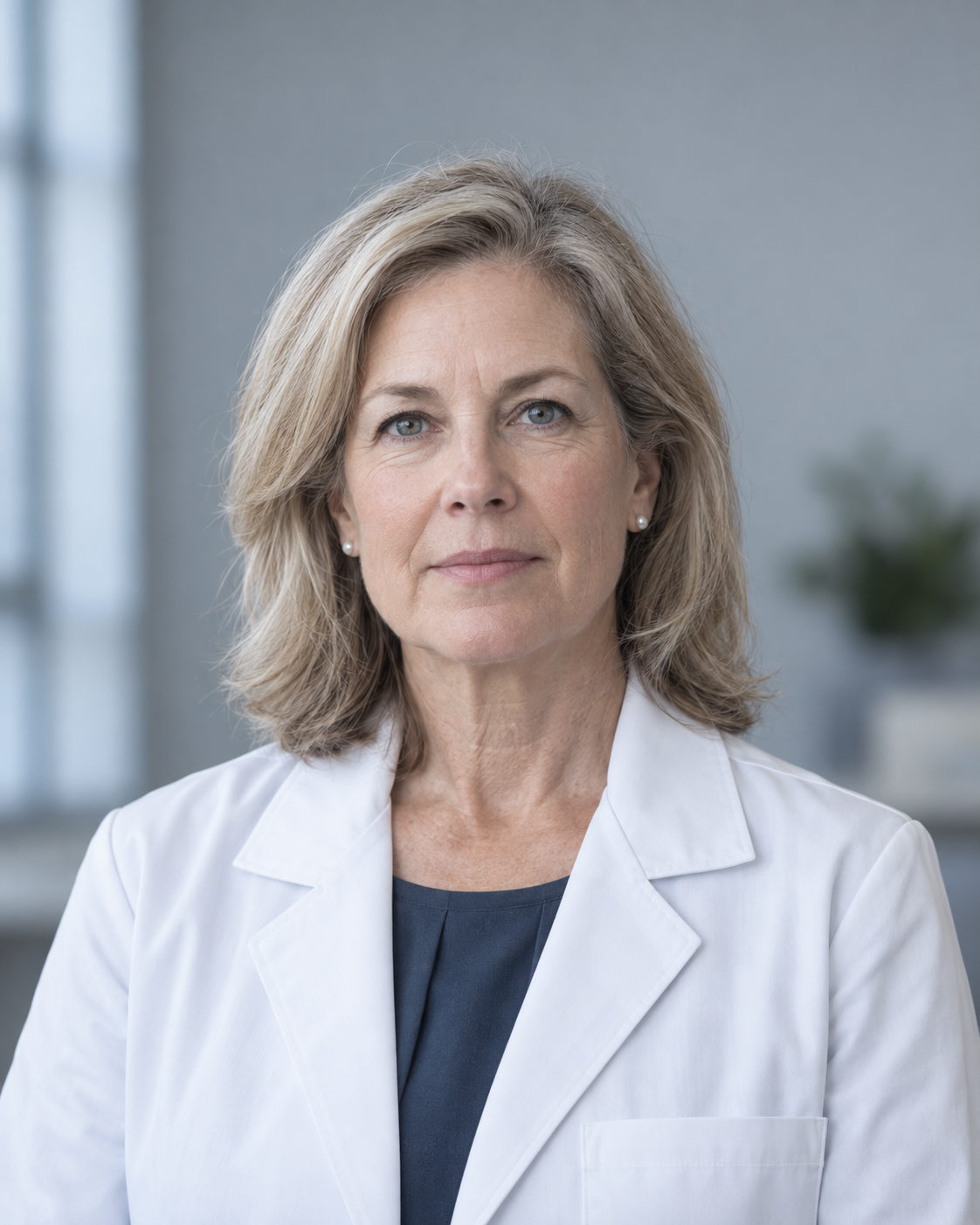
Elective Replacement Service
National clinical leader specializing in elective replacement, complex revision, and in unilateral planning late in a long course of care.
Elective replacement · Unilateral replacement · Boston · New York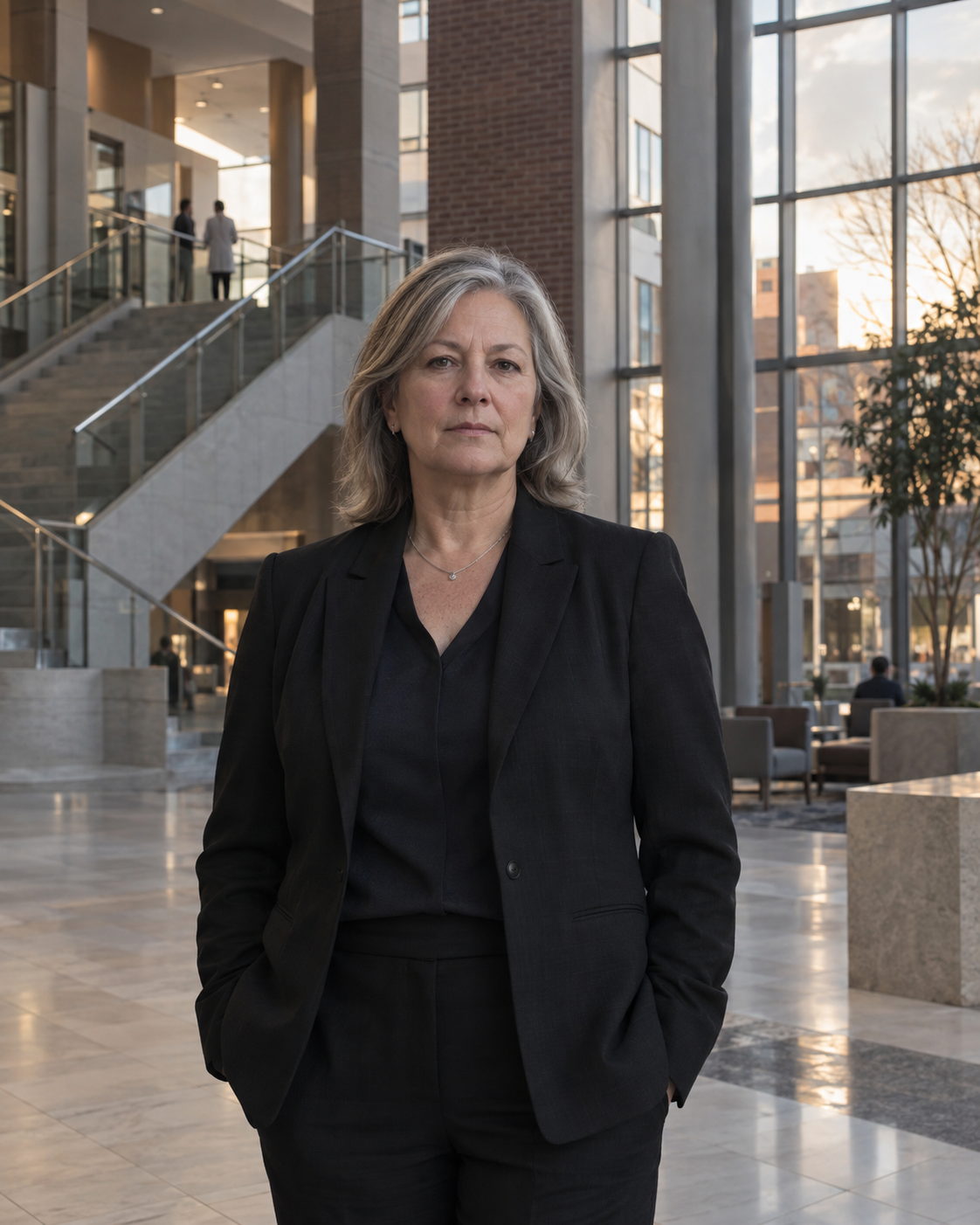
Elective Replacement Service
Boston surgeon focused on unilateral planning, symmetry and revision care grounded in the patient’s longer history with a plate system.
Unilateral replacement · Long-term systems · BostonPatient Services
A patient coordinator can help with appointments, records, travel and center-specific questions.